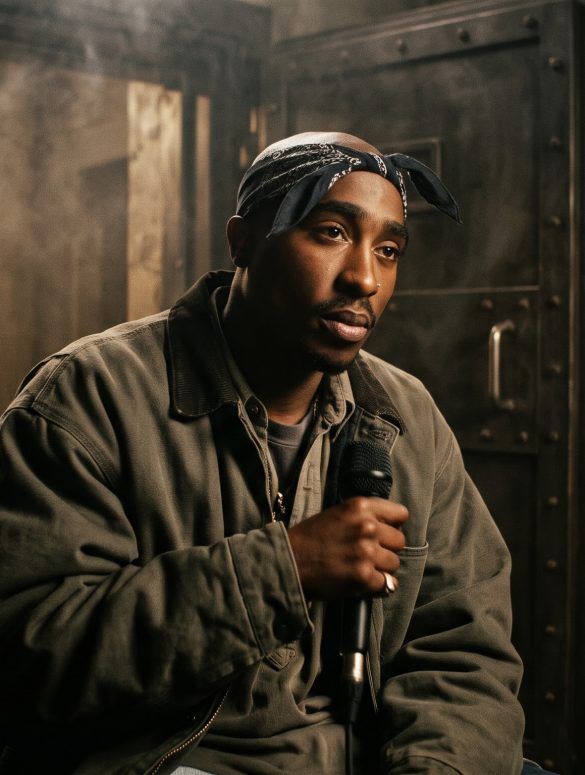
The Ghost of 2Pac Speaks on His 30th Memorial
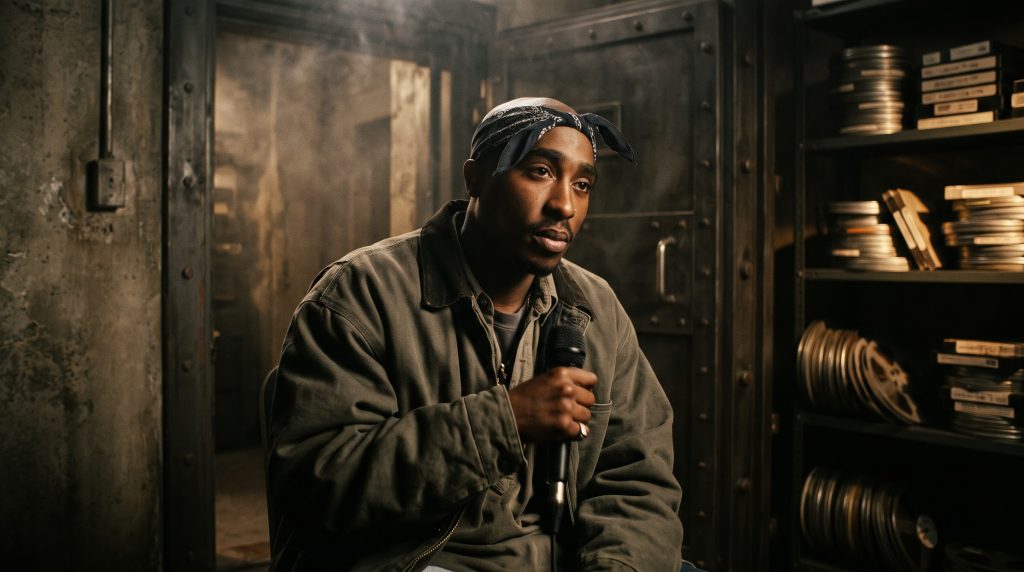
Kept in the vault for 30 years to keep the peace, Angie Martinez’s forbidden 1996 tape finally lets Tupac take the mic at his own 30th memorial.
[ WATCH THE REMIXED EXCLUSIVE VIDEO BELOW ]
Thirty years after bullets in Las Vegas tried to silence him forever, Tupac Shakur is still the loudest voice in the room.
In a haunting twist of hip-hop symmetry, the 30th anniversary of Tupac’s passing has collided with the unsealing of a 30-year-old vault. Back in 1996, fresh out of prison and operating with zero filter, Pac sat down with New York radio legend Angie Martinez. What happened in that room was so volatile, so raw, and so dangerous that Martinez made the agonizing decision to bury the tape.
Insiders who witnessed the session firsthand describe it as the original blueprint for “Hit ‘Em Up”—before the song even existed. Pac was naming names: Biggie, Puffy, Andre Harrell, and the entire New York establishment. He was making direct threats that could have sent him straight back to a prison cell or triggered immediate bloodshed in the streets. While record labels profited off the escalating tension, Martinez chose human life over the biggest scoop of her career. She locked the master tape away for three decades.
Now, with the full archival release dropping on Netflix this November 27th, our exclusive remixed video strips away the outside noise and puts you directly inside that tension-filled room. It feels less like an archival clip and more like Tupac rising from the grave to take the podium at his own 30th memorial.
“They Think They Own Me”: Breaking Down the East vs. West Alibi
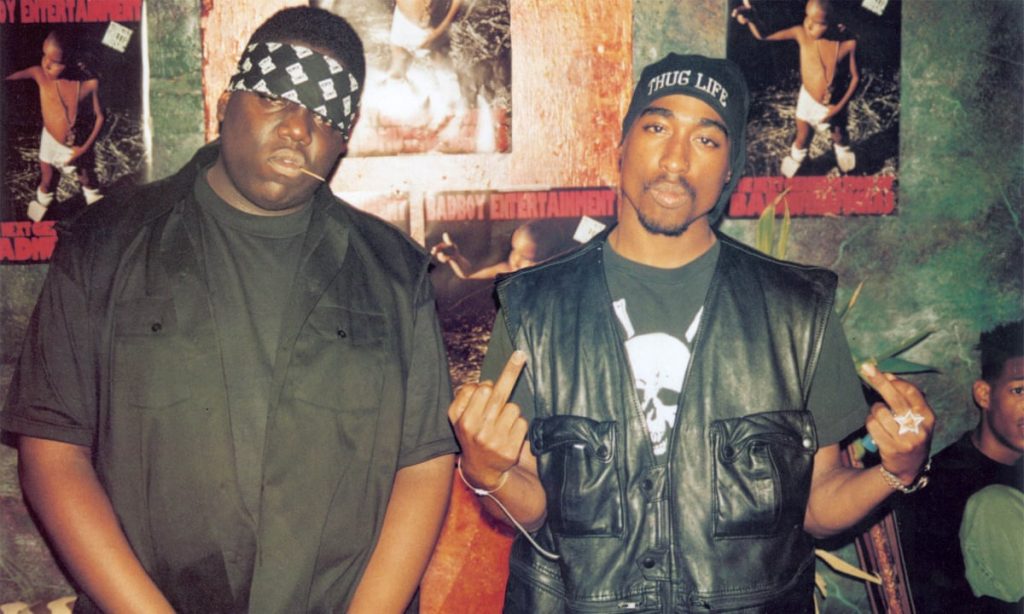
In the footage, you don’t just hear an angry rapper; you hear a master strategist dissecting the hypocrisy of the Coastal War. When pressed on why shouting “Westside” was offending New York, Pac flips the mirror back onto the East Coast. He calls out how Brooklyn cheered when Biggie repped his borough in California, yet treated Pac’s California pride like a declaration of war.
More importantly, Pac delivers a fiercely guarded alibi regarding Tha Dogg Pound’s infamous “New York, New York” video—the visual of giant West Coast artists stomping on Manhattan buildings that set the city on fire:
“I wasn’t in it. I didn’t write it. I didn’t produce the beat. I was in jail. The album was done while I was in jail. That’s separate.”
Yet, because New York lumped him into the crosshairs alongside Snoop and Death Row, Pac embraced the role of the lightning rod. He makes his mission statement crystal clear: hip-hop had been performing in “artsy-fartsy coffee shops” since the ’70s. It was time to generate massive wealth, buy buildings, and fund community centers—and you can’t build a community without chasing the paper first.
Scars, Mistakes, and the “Lieutenant” of Death Row
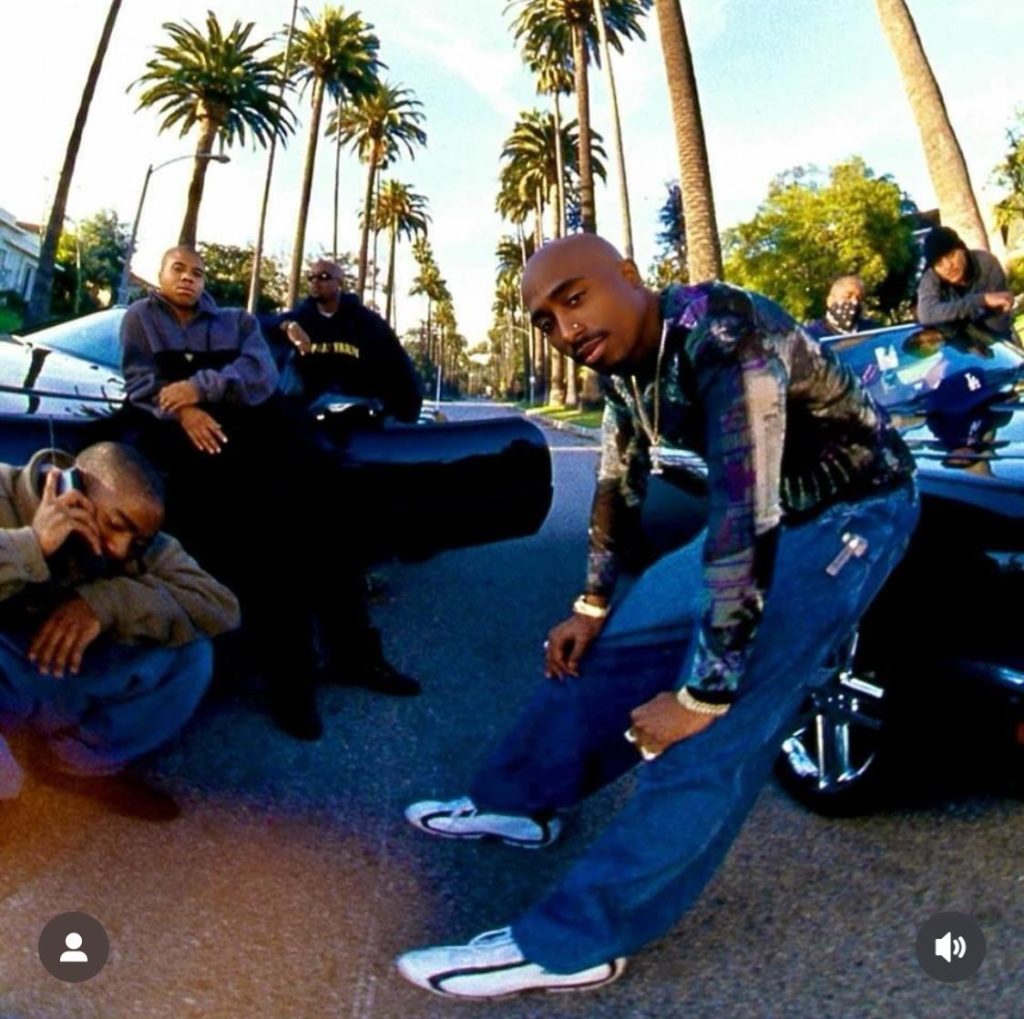
The most chilling moments of the tape come when the bravado drops just enough to reveal the heavy toll of his survival. When asked if he feels he has done anything wrong, Pac doesn’t flinch:
“I did a lot of sht wrong. Probably half the sht I did is wrong. But I believe in my heart I’m doing it for the right reasons… I didn’t have no training. I’m training myself. I’m doing this hands-on.”
He reminds the room of a resume no other artist in history could claim—nor would ever want to survive: hunted by the criminal justice system, shot, locked in a maximum-security penitentiary while his album went multi-platinum, and walking out of prison only to drop a record that sold twice as much.
Despite the chaos, he speaks with startling peace about his rank at Death Row Records, calling himself the “Don in my own mind” and the “Lieutenant in this big picture” under Suge Knight. He insists he is no longer chasing fame because he has already secured everything he ever bled for: his respect, his position, his status, and his voice.
Women, Prison, and His Secret Lifeline to Harlem
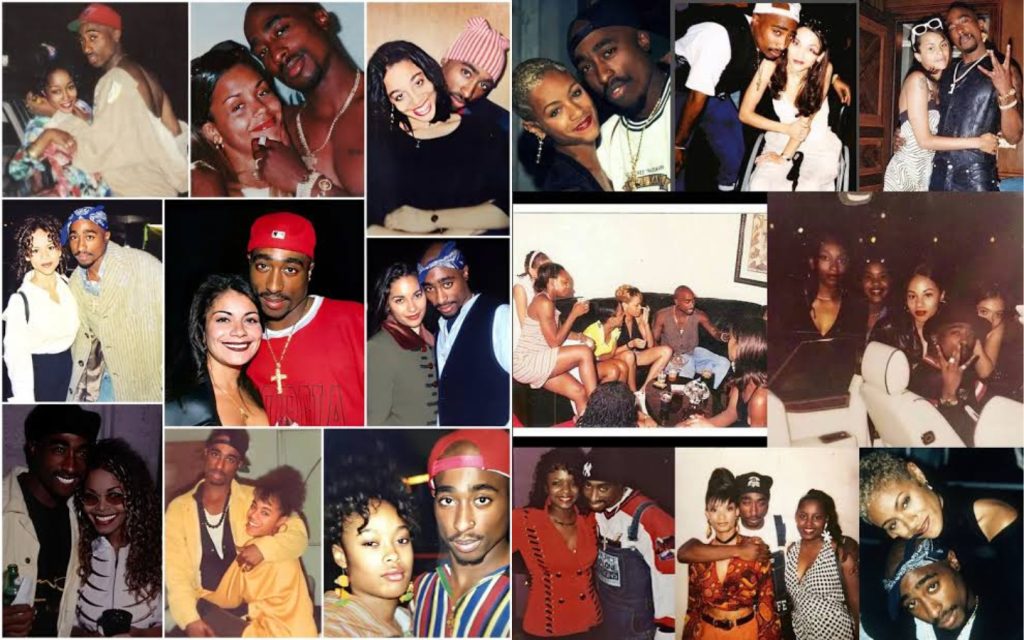
Just when you think the interview is purely combat, Pac pivots into the duality that made him an icon. He candidly explains his controversial terminology regarding women—explaining how prison made him deeply appreciate real women, while fueling his disdain for those who weaponized false accusations to make good women fear him.
And when the conversation turns to his brief marriage to Keisha Morris, the protective armor goes right back up. Refusing to exploit her privacy for a soundbite, he honors her strictly as the loyal friend who showed up every single day of his prison sentence—revealing that even at the height of the East-West war, she was still on the phone with him from the heart of Harlem, keeping him plugged into the pulse of New York.
30 Years in the Grave, 30 Years in the Vault
Had this interview aired in 1996, the trajectory of hip-hop history might have been even bloodier. By holding it back, Angie Martinez protected the culture; by releasing it 30 years later, she has gifted Tupac the ultimate final word.
Watch this remixed video to hear the man himself, uncut and unfiltered, before the full conversation unlocks globally on November 27th.