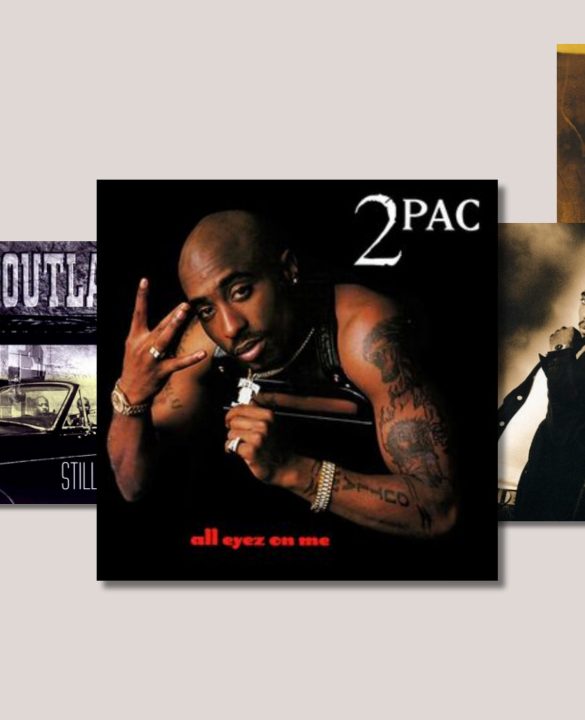
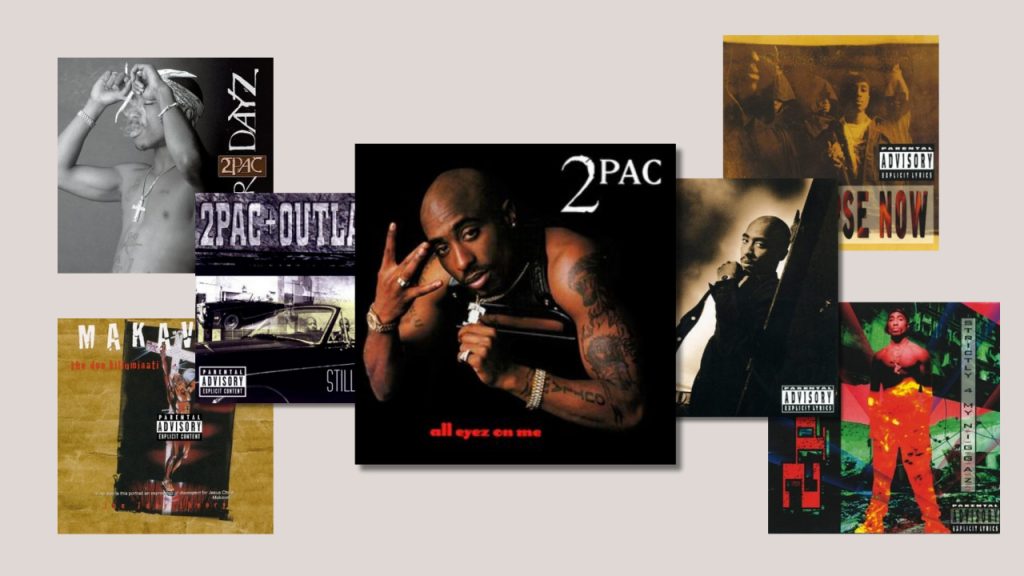
Explore 2Pac’s complete studio discography: 4 lifetime albums, the Makaveli project, 6 posthumous releases, and key group collaborations that defined his legacy
Tupac Shakur, known to the world as 2Pac, left behind one of the most influential and closely studied bodies of work in hip-hop history. In a career that burned brightly and ended far too soon, he released four solo studio albums during his lifetime, one powerful project under the alter ego Makaveli, six posthumous solo albums, and two major collaborative group efforts. Together these records form a catalog that continues to shape culture, protest music, and the emotional language of an entire generation.
This guide walks through every major studio release in chronological order, highlighting the context, themes, and lasting impact of each project.
Albums Released During His Lifetime
2Pacalypse Now (1991)
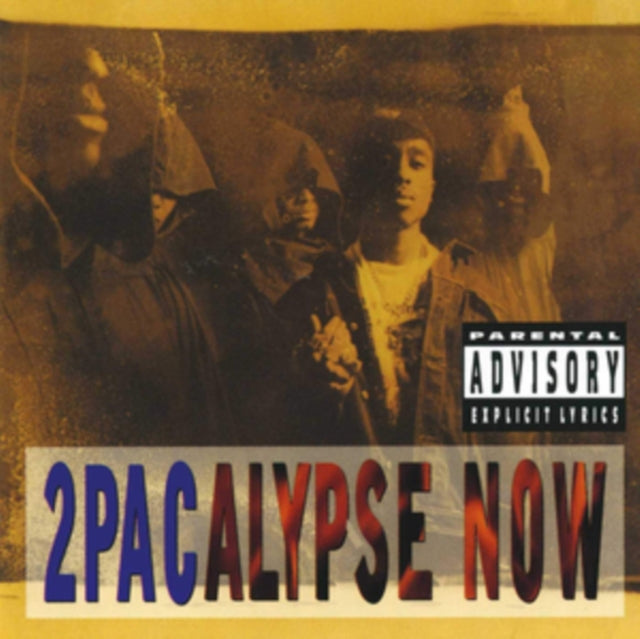
Tupac’s debut solo album introduced the world to a young artist already wrestling with systemic injustice, police brutality, and the daily realities of life in marginalized communities. Raw, confrontational, and politically charged, *2Pacalypse Now* established the foundation of his artistic identity: a voice that refused to look away from hard truths.
Strictly 4 My N.I.G.G.A.Z… (1993)
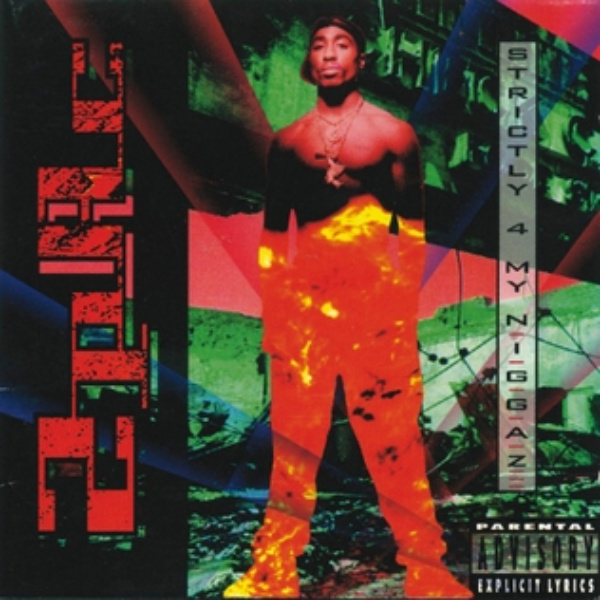
His second album broadened both his sound and his audience. While still rooted in social commentary, it delivered more accessible production and the breakout single “Keep Ya Head Up,” a track that remains one of the most enduring anthems of resilience and respect for Black women in hip-hop. The project marked Tupac’s growing ability to balance hard-edged messaging with mainstream appeal.
Me Against the World (1995)
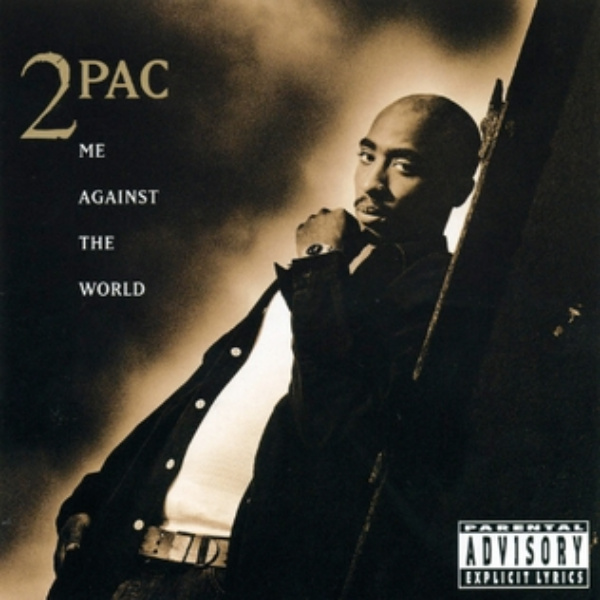
Released while Tupac was incarcerated, this album is widely regarded as his creative peak and personal masterpiece. Introspective, vulnerable, and deeply reflective, *Me Against the World* captured an artist confronting mortality, fame, isolation, and the weight of his own choices. Many fans and critics still consider it the purest expression of his artistry.
All Eyez on Me (1996)
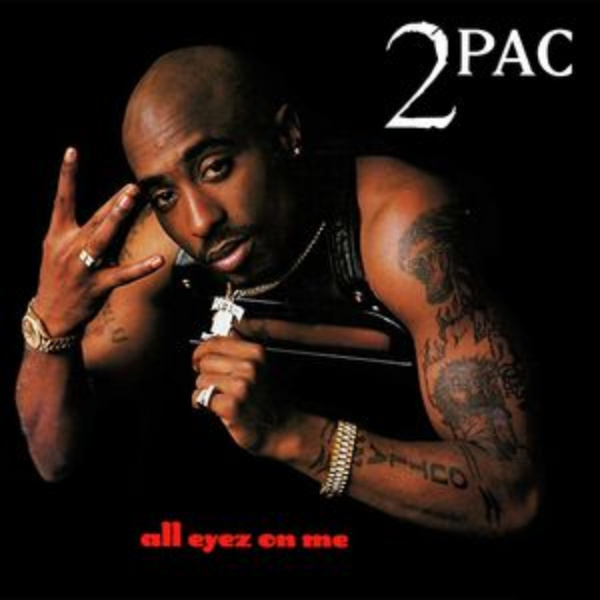
Tupac’s final album released while he was alive stands as a landmark double album and his first major project under Death Row Records. Expansive, celebratory, and unapologetically larger-than-life, *All Eyez on Me* showcased both his commercial dominance and his range—moving from street anthems to more reflective moments. It remains one of the best-selling and most influential hip-hop albums of all time.
Under the Alter Ego “Makaveli”
The Don Killuminati: The 7 Day Theory (1996)
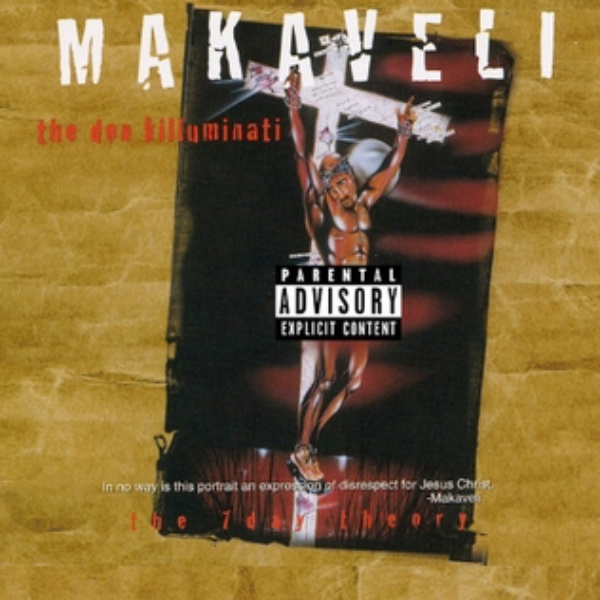
Finished in a remarkably short period and released just two months after Tupac’s death, this album arrived under the name Makaveli. Darker, denser, and more confrontational than much of his earlier work, *The 7 Day Theory* carries a sense of urgency and finality. It has become one of the most mythologized projects in his catalog, often interpreted through the lens of the circumstances surrounding its creation and release.
Posthumous Solo Albums
After Tupac’s death, a significant body of unreleased material remained. The following projects were carefully (and sometimes controversially) assembled from that archive:
– R U Still Down? (Remember Me) (1997) –
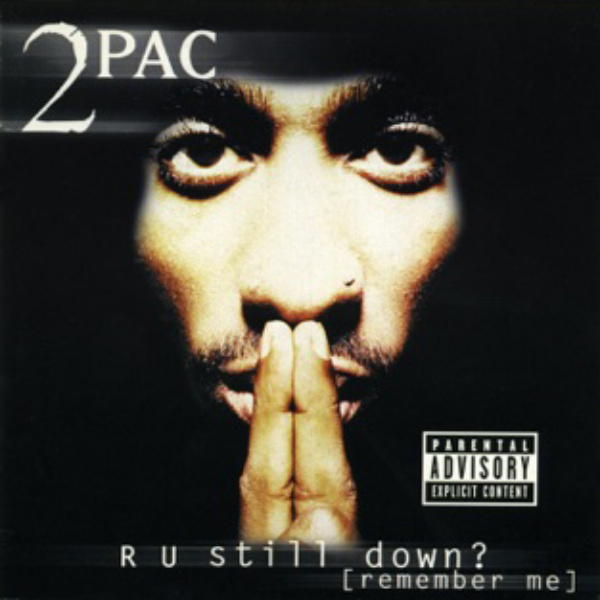
The first major posthumous collection, drawing heavily from earlier unreleased sessions and introducing many fans to previously unheard material.
– **Until the End of Time (2001)** – A double album that mixed unreleased recordings with retail remixes, offering both nostalgia and new context for familiar verses.
– Better Dayz (2002) –

Another substantial double album compiled from the vault, continuing the effort to present Tupac’s unfinished work to a broad audience.
– Loyal to the Game (2004) –
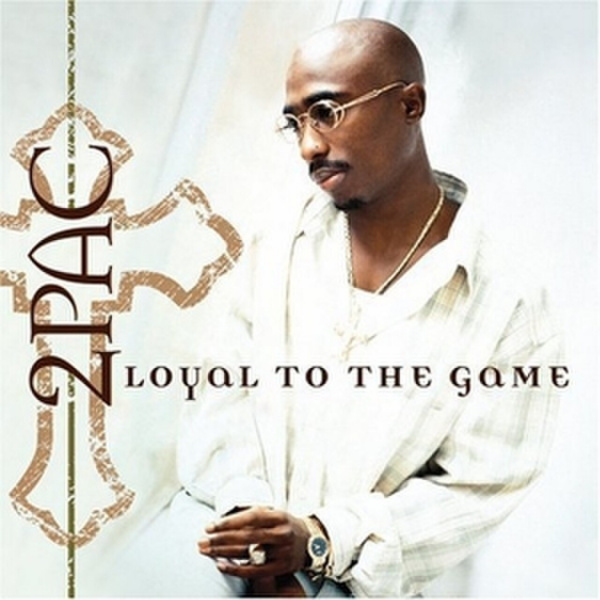
Notably produced primarily by Eminem, this project applied a more contemporary production approach to Tupac’s vocals and sparked ongoing discussion about posthumous collaboration.
– Pac’s Life (2006) –
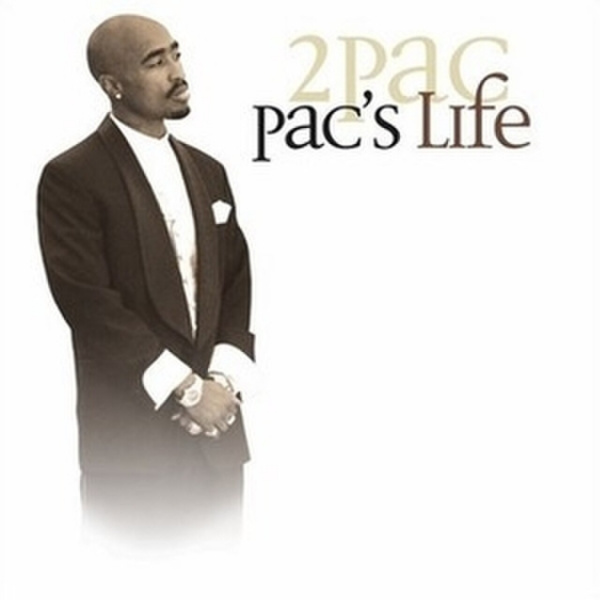
The final standard studio release in the official posthumous series, featuring modern guest appearances and marking the close of the major archival album era.
These releases have been both celebrated for keeping Tupac’s voice alive and scrutinized for questions of artistic intent and production choices. Regardless of debate, they form an essential part of the complete discography.
Collaborative Group Albums
Thug Life: Volume 1 (1994)
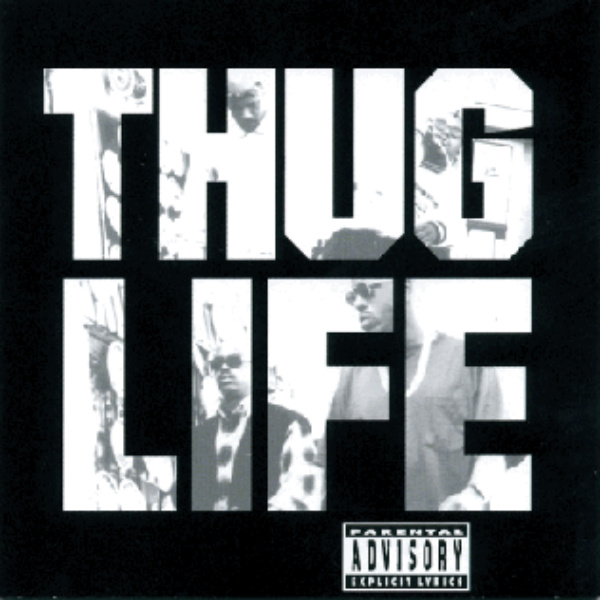
Recorded with his group Thug Life, this project expanded Tupac’s vision into a collective statement. It remains a key document of the mid-1990s West Coast sound and the ideology he helped articulate.
Still I Rise (1999)
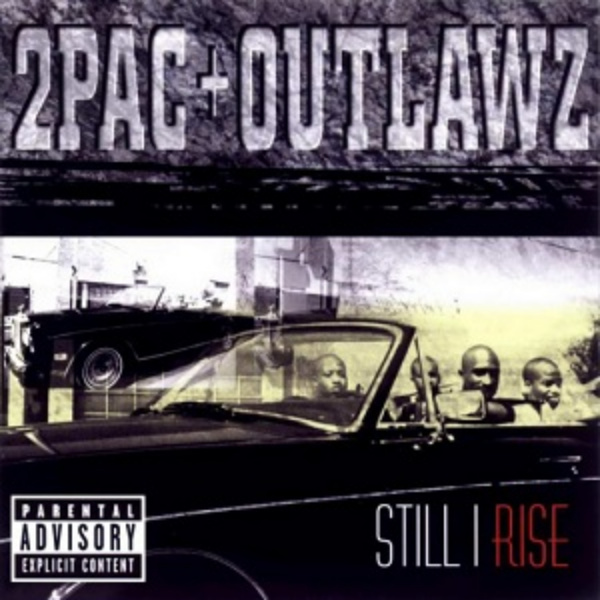
A posthumous collaborative album with The Outlawz, Still I Rise continued the group dynamic and further extended Tupac’s recorded presence into the late 1990s.
Conclusion: The Conversation Continues
Tupac’s studio albums remain more than a collection of records — they are a living archive of an artist who spoke with urgency, vulnerability, and unmatched intensity. From the raw social commentary of 2Pacalypse Now to the introspective masterpiece Me Against the World, the triumphant scale of All Eyez on Me, the shadowed intensity of The 7 Day Theory, and the posthumous releases that followed, each project adds another layer to a legacy that still resonates decades later.
Whether these albums soundtracked your youth, introduced you to hip-hop, or are only now entering your rotation, they continue to spark reflection and debate.
Which 2Pac album hits you the hardest, and why? Was it a lifetime release, the Makaveli project, or one of the posthumous collections? Drop your thoughts, favorite tracks, or personal stories in the comments below — we’d love to hear how Tupac’s music has stayed with you.