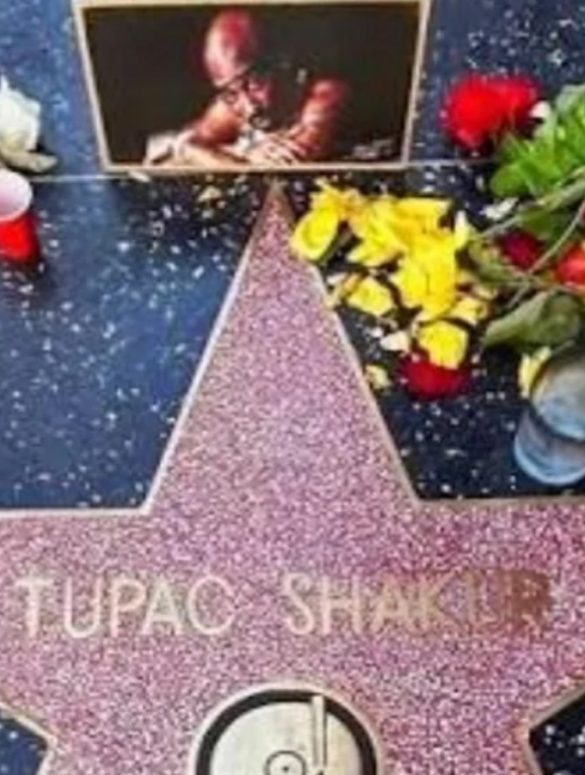
The Anatomy of Survivor’s Guilt, Nihilism, and Collective Grief in Tupac Shakur’s Most Haunting Elegies
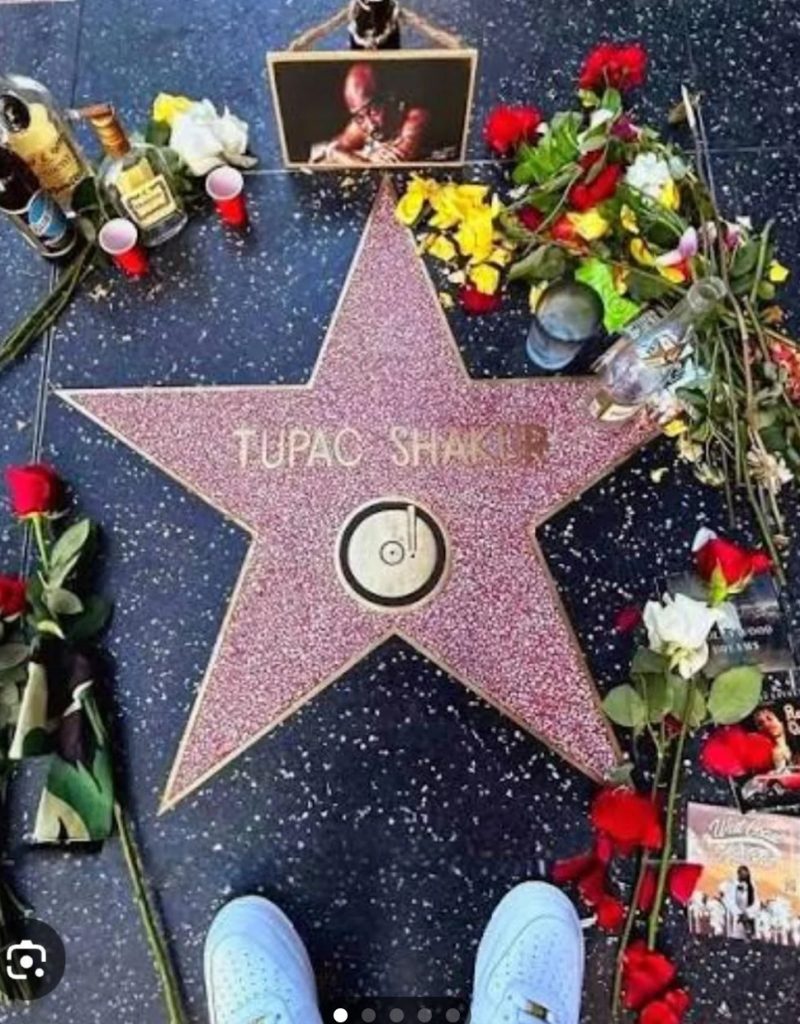
Recorded in 1994 for the collaborative album Thug Life: Volume 1 (and later immortalized on 2Pac’s multi-platinum 1998 Greatest Hits), “How Long Will They Mourn Me?” stands among the most psychologically complex records in Tupac Shakur’s catalog. Featuring Nate Dogg, Big Syke, Rated R, and Macadoshis, the track is ostensibly a direct elegy for a close friend: Kato (Mark Anthony Goodson), a beloved mutual companion in their circle who was murdered in South Central Los Angeles in 1993.
Beneath the conventions of a street requiem, the song operates as an unflinching case study in complex trauma, survivor’s guilt, and institutional abandonment. To understand why the track cuts so deeply thirty years later, one must dissect the psychological, political, and existential underpinnings running through Shakur’s verse.
Complex Trauma and the Trap of Revenge
From the opening bars of his verse, Tupac reveals the acute emotional paralysis that defines chronic exposure to community violence:
“I can’t cry, instead I’m just a shoulder
Damn, why they take another soldier?
I load my clip before my eyes blurry, don’t worry
I’ll get them suckers back before your buried”
— 2Pac, “How Long Will They Mourn Me?”
In clinical terms, Shakur is depicting what trauma specialists term anticipatory defense and frozen grief. In environments characterized by chronic underdevelopment and violence, there is literally no safe harbor to process sorrow. The weeping that should accompany the death of a friend is immediately channeled into tactical mobilization: reloading before tears can even cloud vision.
The emotional cost of this survival posture is immense. Tupac does not celebrate retaliation as an act of triumph; he executes it as an agonizing imperative that robs him of his humanity. This tension between grief and cyclical violence forms a central theme throughout his discography, later echoed in tracks like “Life Goes On” and “Pour Out a Little Liquor.”
The Existential Dilemma: “Do Real Niggas Get to Go to Heaven?”
Immediately following his vows of retribution, Shakur asks the question that fractures the entire moral framework of street life:
- Retaliation:
The immediate, conditioned reaction to trauma in the streets. When his friend Kato is killed, Tupac feels an unavoidable obligation to avenge him before he is buried:
“I load my clip before my eyes blurry, don’t worry / I’ll get them suckers back before your buried / Retaliate and pull a one-eight-seven…” - Moral Condemnation:
Immediately after vowing murder (187), the weight of taking another life hits him. Raised with a strong moral conscience and political awareness, he realizes that violence—even when felt as justified loyalty—carries severe ethical and spiritual consequences. He acknowledges that shedding blood is a sin under traditional divine law. - Existential Dread:
The resulting inner crisis. Immediately after talking about pulling a 187, he asks:
“Do real niggas get to go to heaven?”He is terrified that the rules of survival on earth have doomed his soul for eternity. He feels trapped: if he doesn’t retaliate, he fails his fallen brother; if he does retaliate, God will condemn him to hell.
Tupac was not an unthinking purveyor of violence. Born to Black Panther Party cadre, he was raised on revolutionary theory, liberation theology, and moral ethics. The dissonance between his moral upbringing and the harsh realities of street survival creates an excruciating crisis of conscience:
- If the conditions of the inner city demand armed self-defense and loyalty to the dead, does that loyalty damn the soul?
- Does divine justice recognize systemic entrapment, or is the survivor eternally condemned?
This single inquiry anticipated the moral struggles that would dominate his magnum opus, The Don Killuminati: The 7 Day Theory, recorded in the final days of his life.
The Diagnosis of Systemic Nihilism
Shakur refuses to let the listener interpret the loss of his brother as an isolated tragedy or a simple moral failing:
“It’s kinda hard to be optimistic
When your homie’s lyin’ dead on the pavement twisted”
In his sociological writings and interviews, Shakur repeatedly traced the structural origin of this hopelessness. In his famous 1992 MTV interview, Tupac described the claustrophobia of young Black men caught in an economic and legal system that offered no avenues of escape:
“If you can’t feed your family, what do you do? You do what you have to do to survive… The system has abandoned us.”
In “How Long Will They Mourn Me?”, the result of that abandonment is complete psychological alienation: “They should’ve shot me when I was born / Now I’m trapped in the motherfuckin’ storm.” The line is a direct ideological echo of his foundational philosophy, T.H.U.G. L.I.F.E. (The Hate U Give Little Infants Fucks Everybody). The trauma society inflicts upon children in the cradle returns as a tempest that consumes the neighborhood.
The Haunting Dual Meaning of the Refrain
Anchored by Nate Dogg’s mournful, church-rooted baritone, the refrain asks a question that carries two distinct meanings:
- Grief for Kato: A personal lament questioning how long the world, the streets, and the friends will actively remember their fallen comrade before life resumes and his name fades into a memory.
- A Premonition of His Own Mortality: A self-reflective meditation on his own inevitable assassination.
Tupac operated with an intense, haunting awareness that he would not live an extended life. Throughout his catalog, he interrogated the shelf-life of street loyalty. He recognized that while people gather, drink, and cry at the gravesite, the passage of time often erases the fallen:
“All niggas can say is, ‘That’s fucked up’ / And get tossed up, reminiscin’ how we grew up”
— Rated R
The tragedy of the song lies in its chilling prophecy: Tupac was already anticipating the moment he would lie in the dirt, asking the world whether his sacrifice, art, and voice would endure beyond the immediate shock of the coroner’s call.
The Verdict Thirty Years Later
Thirty years after September 13, 1996, history has provided a definitive answer to Shakur’s question.
Tupac Amaru Shakur is not mourned merely as a fallen hip-hop pioneer; he is remembered as a political prophet, cultural architect, and voice of systemic resistance. “How Long Will They Mourn Me?” remains enduring not because it glorifies war, but because it dared to articulate the vulnerability, sorrow, and unbearable weight of surviving in a society that too often treats young Black life as disposable.
(You can find and read the full licensed lyrics to the track by searching for “How Long Will They Mourn Me lyrics” on Google.)
What Does 2Pac’s Elegy Mean to You Today?
Three decades after its release, “How Long Will They Mourn Me?” remains far more than a period piece from hip-hop’s golden era—it is an unfiltered lens into grief, street survival, and the psychological weight carried by generations forced to navigate systemic loss. Tupac dared to lay bare the vulnerability and moral crisis that so many bury beneath cold armor.
We invite your voice to this living memorial:
- When you listen to “How Long Will They Mourn Me?”, do you hear it primarily as a tribute to a fallen friend, or as Tupac’s premonition of his own fate?
- How does Shakur’s confrontation with grief and trauma challenge the traditional portrayal of the 1990s street rap narrative?
- In what ways do the existential questions raised in this song—survivor’s guilt, systemic abandonment, and loyalty—continue to reflect the realities of communities today?
Share your reflections, memories, and lyrical breakdowns in the comments below.